

Warehouse Fulfillment: Understanding Types and Logistics Essentials
Efficient warehouse fulfillment is now a core driver of business success in Malaysia’s fast-evolving digital economy.
Businesses increasingly depend on streamlined logistics to manage both local orders and global shipments.
At the heart of this process, warehouse fulfillment shapes delivery speed, cost control, and overall reliability in operations.
Key Takeaways
- A warehouse is a facility that stores and organises inventory to support efficient order fulfillment.
- Warehouse fulfilment involves receiving, storing, picking, packing, and preparing orders for delivery.
- Common warehouse types include public, private, bonded, climate-controlled, and automated facilities.
- Effective warehousing improves delivery speed, reduces costs, and enhances overall customer satisfaction.
- A warehouse focuses on inventory handling, while logistics covers the entire movement of goods from origin to destination.
- Look for strategic location, real-time inventory systems, flexible space, and strong operational support.
How Warehouse Facilities Work?

In fulfilment, a warehouse operates as the backbone where incoming stock is received, stored, and systematically processed for customer orders.
More than a storage facility, it plays a critical role in managing inventory, streamlining order processing, and supporting reliable last-mile delivery.
For e-commerce and retail businesses, an efficient warehouse is key to fast, accurate fulfilment that meets customer expectations.
5 Key Functions of Warehouse Fulfillment
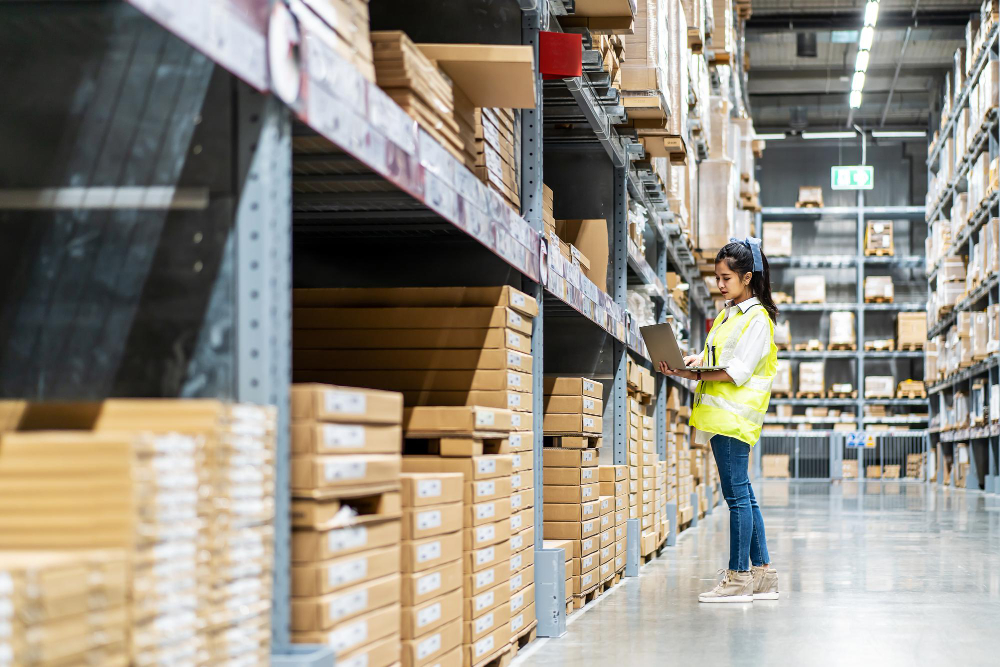
A fulfillment warehouse performs several essential functions that go beyond storage:
| Function | Description |
| Inventory Management | Tracks and organises stock to ensure accuracy and product availability. |
| Picking and Packing | Selects ordered items and prepares them securely for delivery. |
| Labelling and Sorting | Applies barcodes or shipping labels and organises parcels by destination. |
| Order Consolidation | Merges multiple items or orders into a single shipment to reduce costs. |
| Shipping Preparation | Prepares packages for dispatch and coordinates with logistics partners. |
These functions help businesses reduce operational delays, lower fulfilment costs, and improve customer satisfaction.
Curious about faster, hassle-free order delivery? Find out what is fulfillment service and how it can optimise your business operations.
5 Types of Warehouse for Your Fulfilment Needs

Businesses require different warehouse setups depending on their product type, volume, and fulfilment needs. Below are the common types of warehouses used in Malaysia:
| Type of Warehouse | Description |
| Public Warehouse | Shared storage space available for short or long-term rental. Ideal for SMEs or seasonal businesses with fluctuating demand. |
| Private Warehouse | Owned and operated by a single company, offering full control over inventory, layout, and systems. Suited for large-scale operations. |
| Bonded Warehouse | Government-licensed facilities used to store imported goods without paying duties until the goods are sold or moved. Useful for import/export businesses. |
| Climate-Controlled Warehouse | Offers temperature-controlled storage to maintain specific temperature and humidity levels, essential for preserving sensitive items like food, pharmaceuticals, and electronics. |
| Automated Warehouse | Equipped with automated systems such as robotics, conveyors, and Warehouse Management Systems (WMS) to enhance speed, accuracy, and operational efficiency. Ideal for high-volume fulfilment. |
These warehouse types support different operational needs, helping businesses choose the right infrastructure for smooth and cost-effective fulfilment.
Why Warehousing Matters: 6 Benefits That Optimise Fulfilment

A well-managed warehouse can make or break your fulfilment strategy.
For businesses navigating rapid growth or managing high order volumes, warehousing offers the backbone to keep customers satisfied and operations running smoothly.
| Benefit | Description |
| Faster Order Fulfillment | Streamlined inventory and organised processes reduce lead time and speed up delivery. |
| Cost Efficiency | Centralised storage allows for bulk stocking, reducing shipping and handling costs. |
| Improved Inventory Accuracy | Proper inventory tracking minimises errors, stockouts, and overstock situations. |
| Scalability During Peak Seasons | Flexible warehousing space supports increased demand without disrupting operations. |
| Reduced Risk of Damage or Loss | Secure storage conditions and handling procedures protect products from damage or theft. |
| Enhanced Customer Satisfaction | Reliable and fast order delivery leads to better customer experiences and loyalty. |
These advantages make warehousing a vital part of any fulfilment strategy, especially for businesses looking to scale or expand across regions.
Warehouse vs Logistics: What Your Business Needs to Know Before Choosing a Fulfilment Partner

The choice between warehouse services and logistics operations is pivotal in shaping your fulfilment efficiency and customer experience.
To build a system that delivers speed, accuracy, and scalability, it’s important to understand the differences between warehouse vs logistics—and how each supports your business goals.
| Aspect | Warehouse | Logistics |
| Definition | A physical facility used for storing, managing, and processing inventory. | The overall process of planning, executing, and delivering goods from one point to another. |
| Primary Role | Inventory storage, stock control, picking, packing, and preparation for delivery. | Transportation, route optimisation, carrier coordination, and delivery tracking. |
| Scope | Focuses on internal operations related to inventory. | Covers the end-to-end movement of goods, from supplier to end customer. |
| Technology Involved | Warehouse Management System (WMS) for inventory control. | Transportation Management System (TMS) for route and delivery management. |
| Dependency | Functions as one part of the larger logistics chain. | Encompasses warehousing as a component of the broader warehouse distribution network. |
Discover more about 3PL fulfillment logistics and how it can help your business scale with greater efficiency and flexibility for your supply chain.
How to Choose the Right Fulfilment Warehouse

The fulfillment center you partner with increases your delivery speed, inventory accuracy, and overall customer satisfaction. Making the right decision starts with evaluating the factors that directly impact your operations and long-term growth.
| Criteria | What to Consider |
| Strategic Location | Choose a warehouse near your customer base, major highways, or ports to reduce delivery times and shipping costs. |
| Technology & WMS Integration | Ensure the warehouse uses a reliable Warehouse Management System (WMS) that supports real-time inventory updates and order tracking. |
| Scalability & Flexibility | Look for providers that can accommodate growth and seasonal fluctuations without disrupting your operations. |
| Security & Compliance | Prioritise warehouses with CCTV, access control, and proper storage conditions that align with industry standards. |
| Customer Support & SLAs | A responsive support team and clear service-level agreements ensure consistent service and faster issue resolution. |
| Value-Added Services | Services like bundling, kitting, labelling, and returns handling can streamline your fulfilment process further. |
Streamline Your Operations with ShipGuru’s Fulfilment Solutions

ShipGuru delivers end-to-end warehousing services through its advanced fulfilment centre in Selangor, tailored to help businesses speed up delivery and improve accuracy.
We cater to various operational needs, from handling daily online orders to supporting large-scale regional distribution—ensuring smooth and scalable fulfilment at every stage.
| Service Feature | What ShipGuru Offers |
| Secure Storage Facilities | Clean, organised, and secure warehousing space suitable for various product categories, including bulk goods and fragile items. |
| Real-Time Inventory Visibility | Integrated systems allow you to monitor inventory levels, order status, and item movement anytime. |
| Picking & Packing Services | Efficient order handling with accurate picking, neat packing, and custom packaging solutions when needed. |
| System Integration | Seamless connection with online stores and marketplaces for automated order processing. |
| Courier Coordination | End-to-end fulfilment with last-mile delivery support through trusted local and international courier partners. |
| Scalable Plans | Space and service flexibility that adapts to seasonal spikes or business expansion—ideal for growing operations. |
ShipGuru removes the complexity from warehousing by offering a full-service model of fulfillment service that supports speed, visibility, and customer satisfaction.
Conclusion
Fulfilment warehousing supports smoother, faster, and more cost-effective operations—ensuring better inventory control and customer satisfaction.
Evaluate your business requirements, explore different warehouse models, and partner with a provider that fits your fulfilment goals.
Contact ShipGuru today to learn how our warehouse fulfilment solutions can streamline your operations and scale with your business needs.
